Cart
0
You may also like


When most hunters hear the word scrape, they immediately think of the rut. Big bucks tearing up the ground, fresh tracks everywhere, and licking branches getting hammered overnight.
They're not wrong—but they're missing the bigger picture.
A well-placed mock scrape is one of the best tools you can use to learn what's living on your property, monitor deer activity throughout the season, and, if it's in the right location, put a mature buck within bow range.
One of the biggest misconceptions about scrapes is that only mature bucks use them.
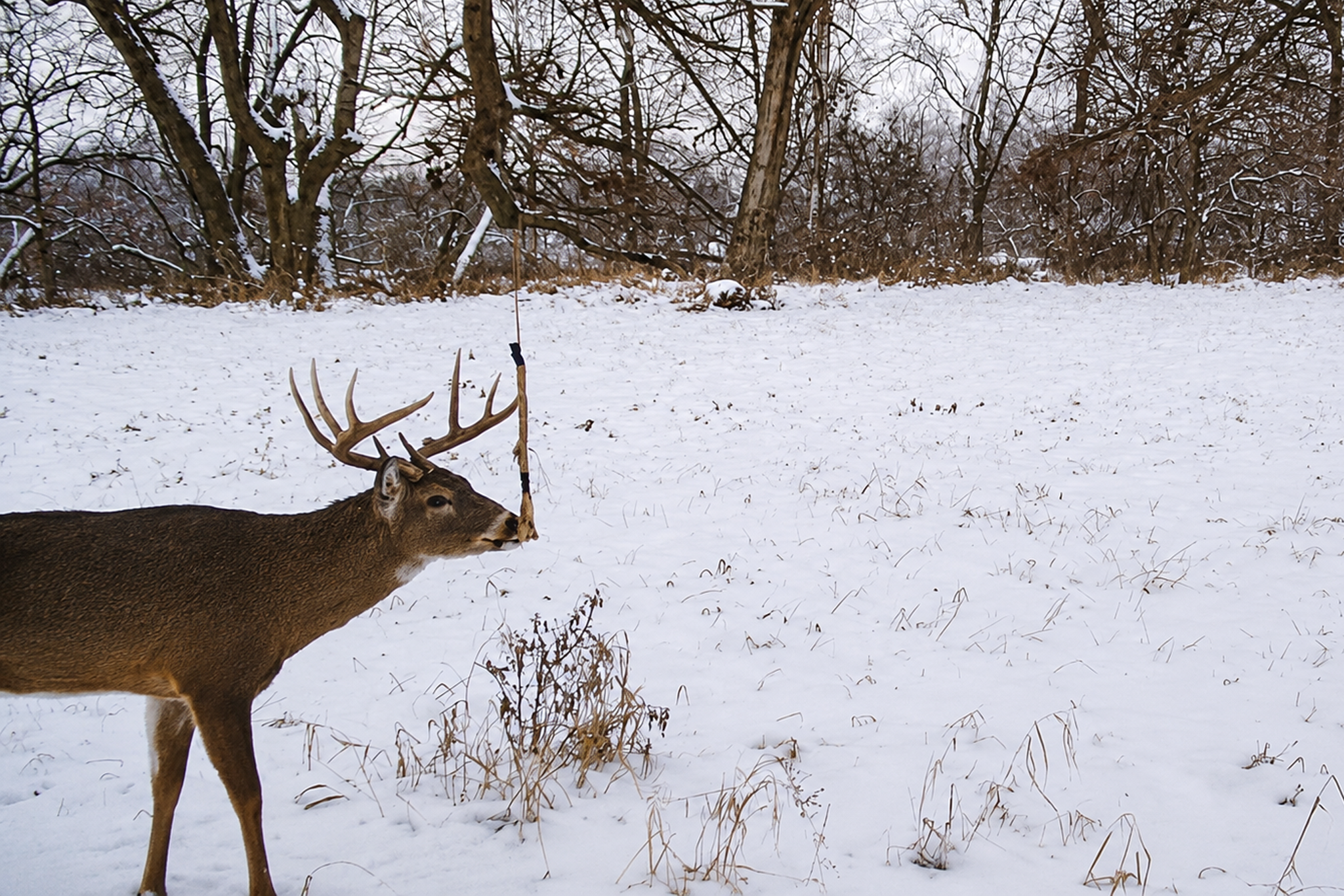
In reality, does, yearlings, and fawns regularly investigate active scrapes, especially community scrapes. While bucks are the primary animals creating and refreshing scrapes, deer of all ages and both sexes often stop to smell, work the licking branch, or leave scent of their own.
That makes mock scrapes incredibly valuable for trail camera surveys.
Instead of hoping deer happen to walk past a random camera, you're giving them a reason to stop. They'll work the licking branch, smell the scrape, leave scent of their own, and spend enough time in front of the camera to give you quality photos instead of blurry pass-by images.
Every time you walk into a bedding area or push deep into a destination food source to check cameras, you're educating deer.
Mock scrapes let you gather information without putting unnecessary pressure on your property.
Hang one along a travel corridor, inside a staging area, or where multiple trails naturally come together. These are places deer already want to travel, and adding a mock scrape simply gives them another reason to stop.
Using a quality synthetic preorbital scent helps jump-start activity, often getting deer working the scrape much sooner than waiting for them to discover it naturally.
The result is a much better picture of your herd. You'll see which bucks have survived, what your doe groups look like, how fawns are recruiting, and how deer movement changes as the season progresses.
Mock scrapes aren't just scouting tools.
Some of the best stand locations I've hunted have been centered around a community scrape that stayed active for months.
While scrape activity peaks during the pre-rut and rut, a properly maintained mock scrape can produce deer from summer velvet all the way into late season. Freshening the licking branch and keeping scent in the area gives deer a reason to continue checking it throughout the year.
If that scrape sits along the downwind edge of bedding, inside a natural funnel, or on the edge of a staging area, you've created a location where bucks are already comfortable stopping.
That's exactly what bowhunters want.
Instead of trying to stop a buck that's cruising through at full speed, you've built a reason for him to pause. Those extra few seconds can be the difference between watching him disappear into the timber and watching your arrow disappear behind his shoulder.
Mock scrapes don't require expensive equipment or complicated strategies.
They simply take advantage of natural deer behavior.
Whether your goal is building a better inventory, monitoring mature bucks with less pressure, or creating a consistent shot opportunity, mock scrapes deserve a place in your hunting strategy.
If you've never built one before, there's a good chance you're leaving valuable information—and opportunities—in the woods.
Mock scrapes have become a staple on nearly every property we hunt because they consistently produce better trail camera data and more shot opportunities.
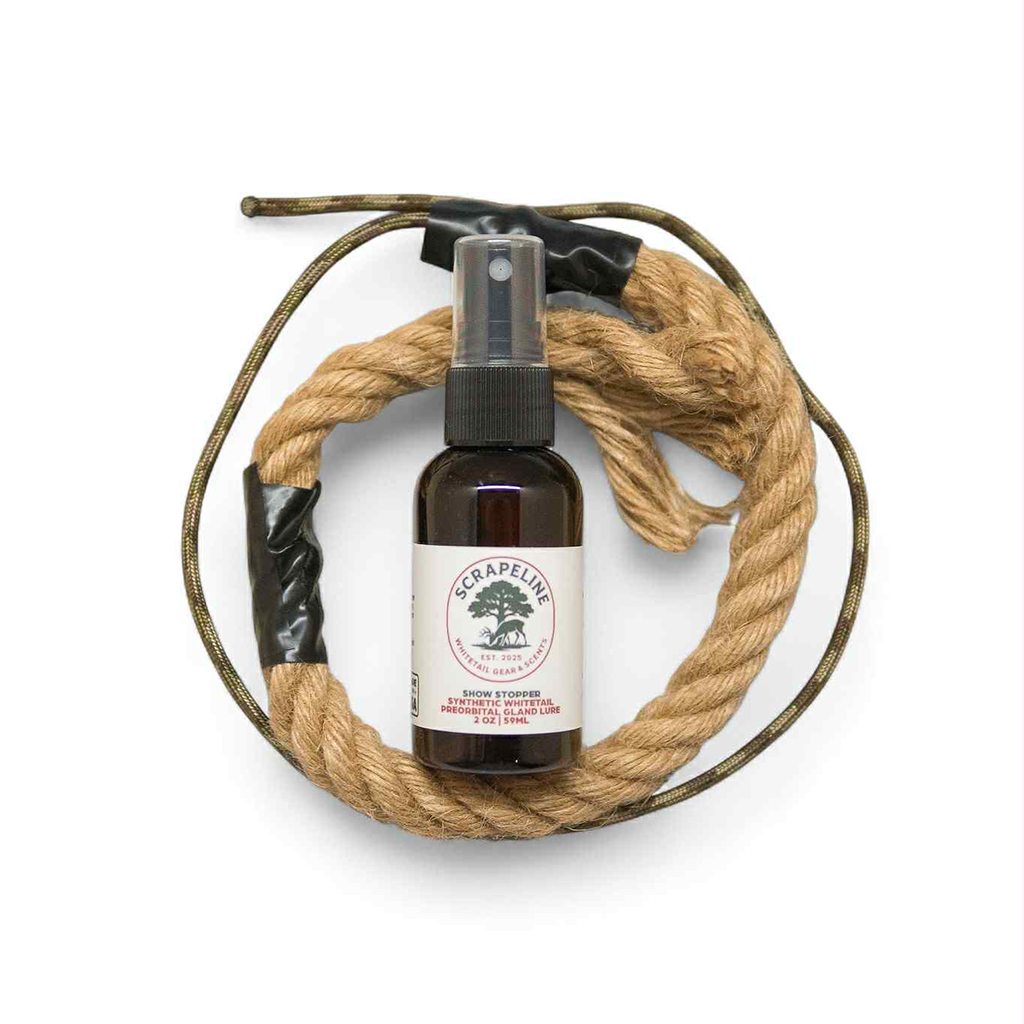
If you're ready to add one to your setup this season, check out the Scrapeline Mock Scrape Kit. We've included everything you need to build an effective mock scrape and start getting deer on camera.

