Cart
0
You may also like


Successful deer seasons aren't built in October.
They're built months before opening day, when the woods are quiet, bucks are on predictable patterns, and every trip to the farm teaches you something new.
The hunters who consistently fill tags on mature deer rarely rely on luck. They spend the summer learning their property, watching deer movement, and making decisions before the first cold front ever arrives.
Fresh sign always tells the best story.
Old rubs and last year's scrapes can point you toward historically productive areas, but your focus should be on what's happening right now. Look for well-used trails connecting bedding cover to food sources, secluded staging areas, creek crossings, and natural funnels that deer use every day.
Tracks, droppings, browse, and worn trails all help paint a picture of how deer are using the property today—not how they used it last fall.
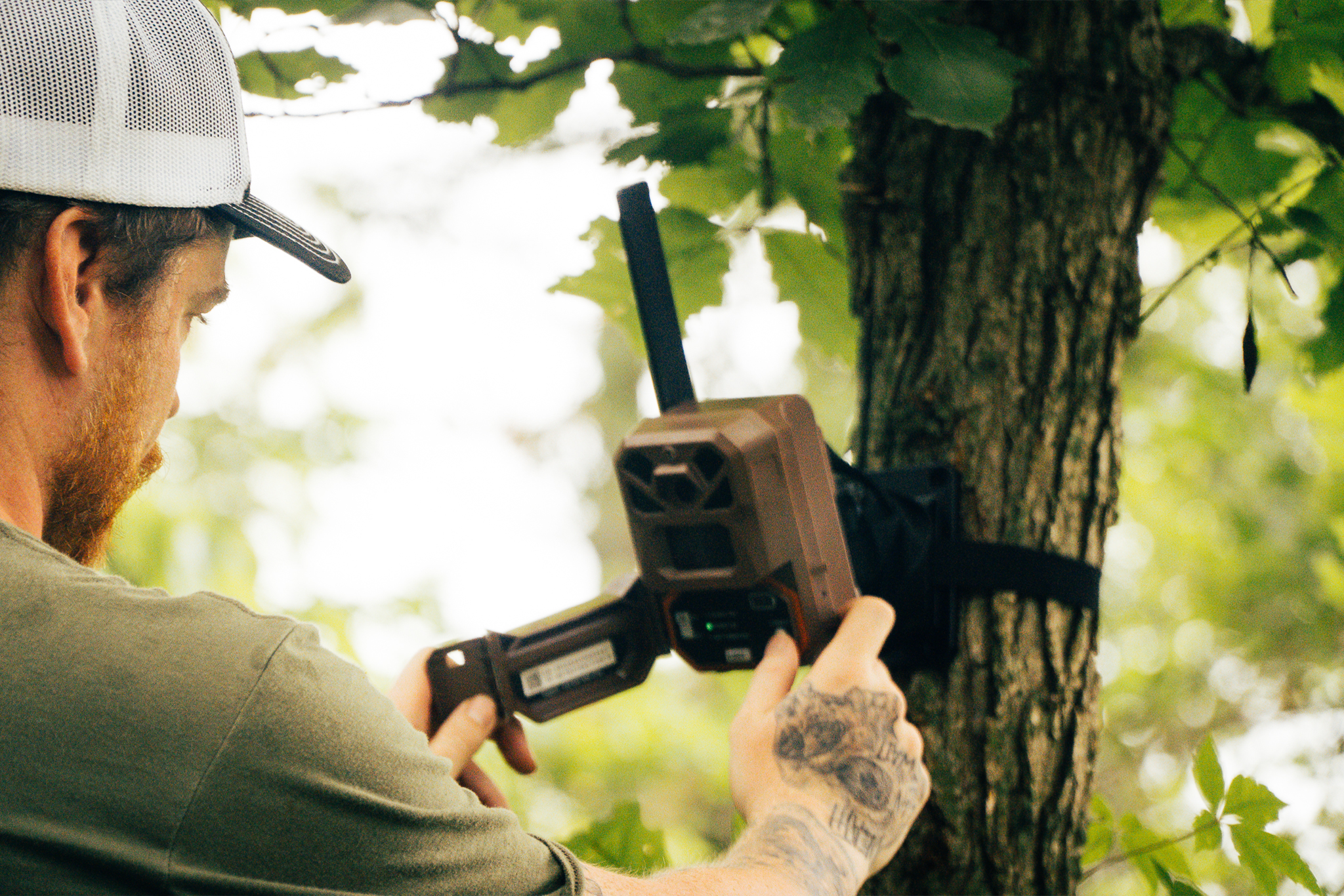
One of the best ways to learn what's on your property without adding unnecessary pressure is by running trail cameras over mock scrapes.
By creating a mock scrape in a travel corridor or staging area, you're giving deer a reason to stop instead of simply walking past your camera. That usually means better photos, longer encounters, and a much clearer picture of the bucks using your property.
We typically start fresh mock scrapes in late July or early August and keep them active throughout the season. Over time, those cameras begin to tell a story. You learn which bucks are regular visitors, when they're moving, and how their patterns change as fall progresses.
Not every scouting trip needs to involve walking through the timber.
Some of the best information comes from simply watching.
Spend evenings glassing destination food sources, field edges, CRP, or other open areas from a distance. During late summer, mature bucks often travel in bachelor groups, making it easier to identify individual deer and learn where they're entering and exiting fields.
The less you disturb them now, the better your chances are when the season opens.
It's easy to convince yourself that more scouting always leads to better hunting.
In reality, too much intrusion can do more harm than good.
Every trip leaves scent behind. Every unnecessary walk through bedding cover increases the odds of educating the deer you're trying to hunt.
Have a purpose for every visit. Check cameras efficiently, make your observations, and get back out.
By the time opening day rolls around, you shouldn't be wondering where to hunt.
You should already know which bucks are using your property, the travel routes they're relying on, and the conditions that make those areas productive.
No scouting plan is perfect—deer change, weather changes, and hunting pressure changes. But the more information you gather before the season starts, the more confident you'll be when it's time to climb into a stand.
That's the difference between hunting with a plan and simply hoping a mature buck walks by.
One of the easiest ways to improve your preseason scouting is by adding a mock scrape to your trail camera setup.
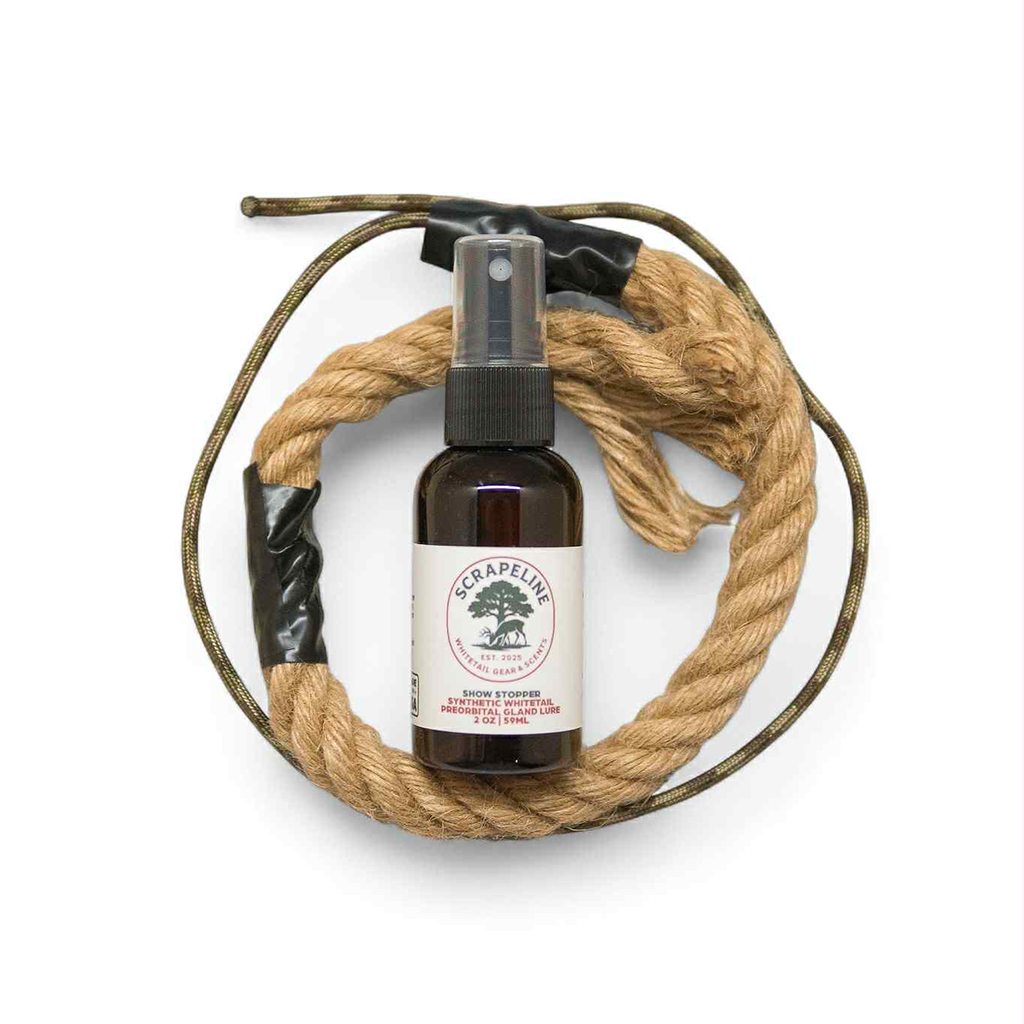
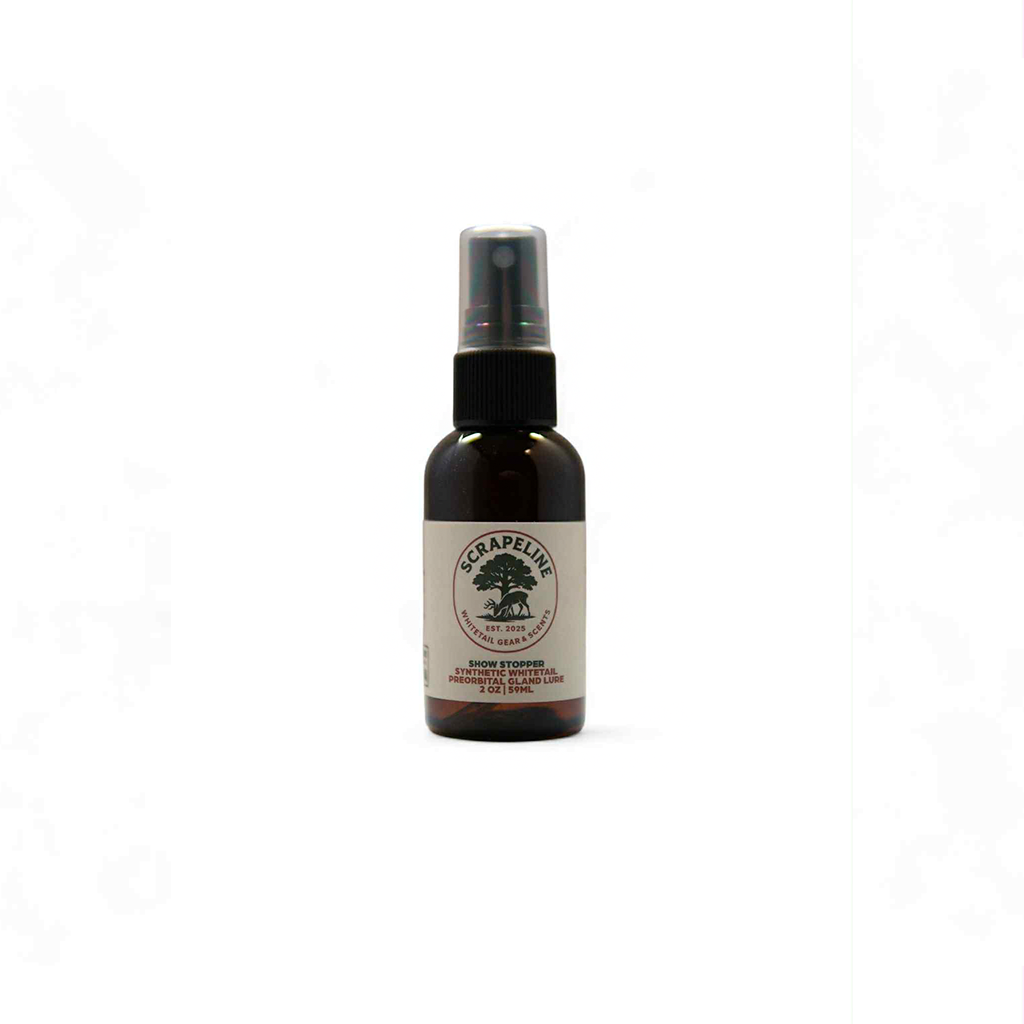
The Scrapeline Mock Scrape Kit includes everything you need to get started: our Show Stopper synthetic preorbital scent, a hanging scrape rope, paracord, and simple step-by-step instructions. Set one up along a travel corridor or staging area, let your cameras do the work, and start learning what bucks are using your property long before opening day.
Whether your goal is building inventory, monitoring mature bucks with less pressure, or creating another early-season opportunity, a mock scrape is one of the most effective tools you can add to your scouting strategy.


